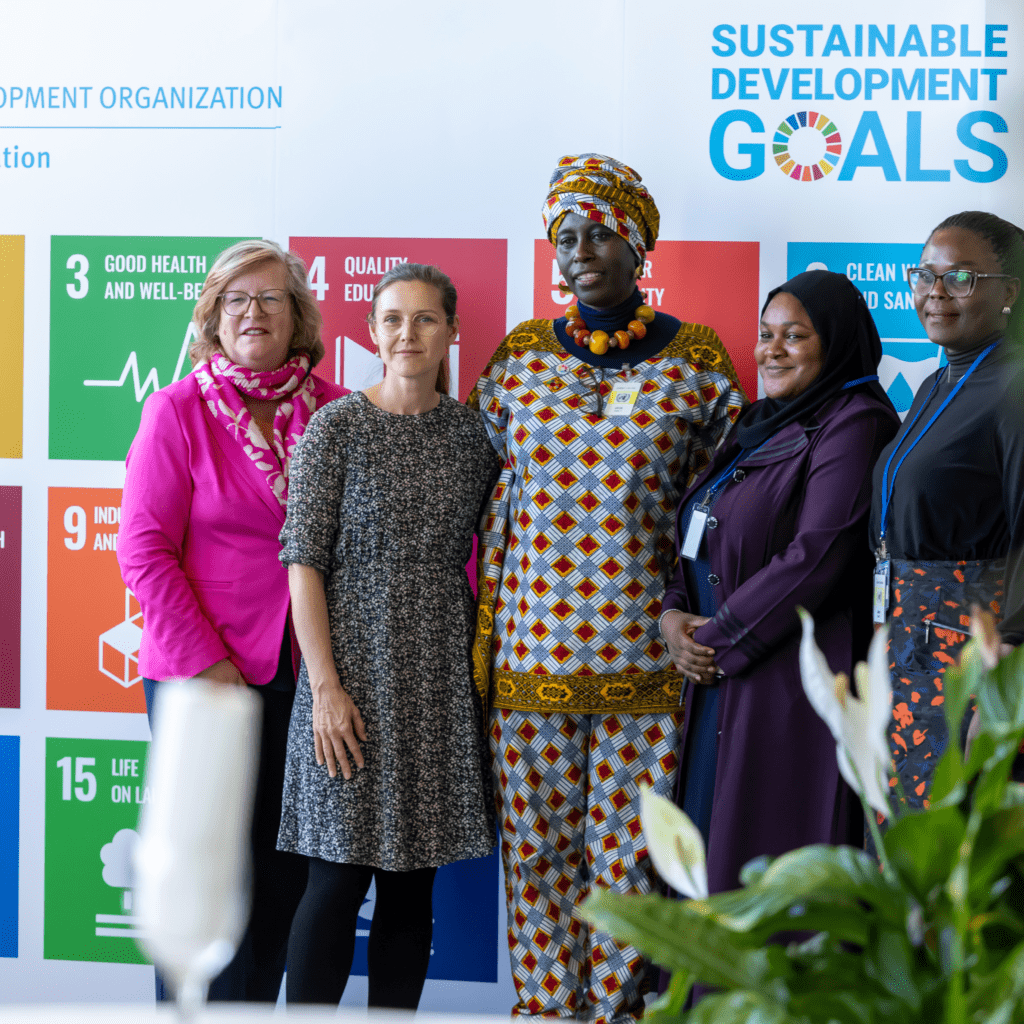
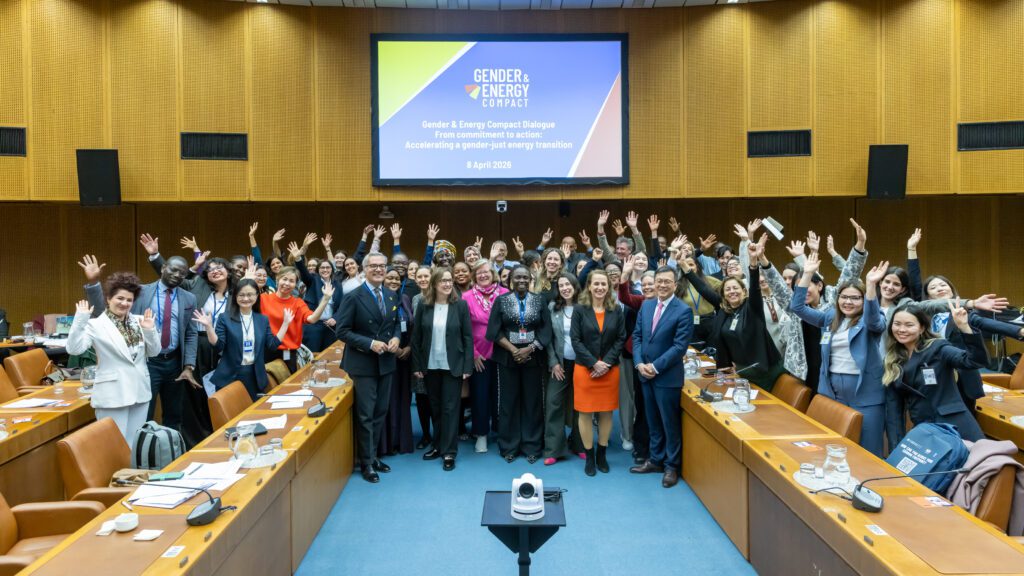
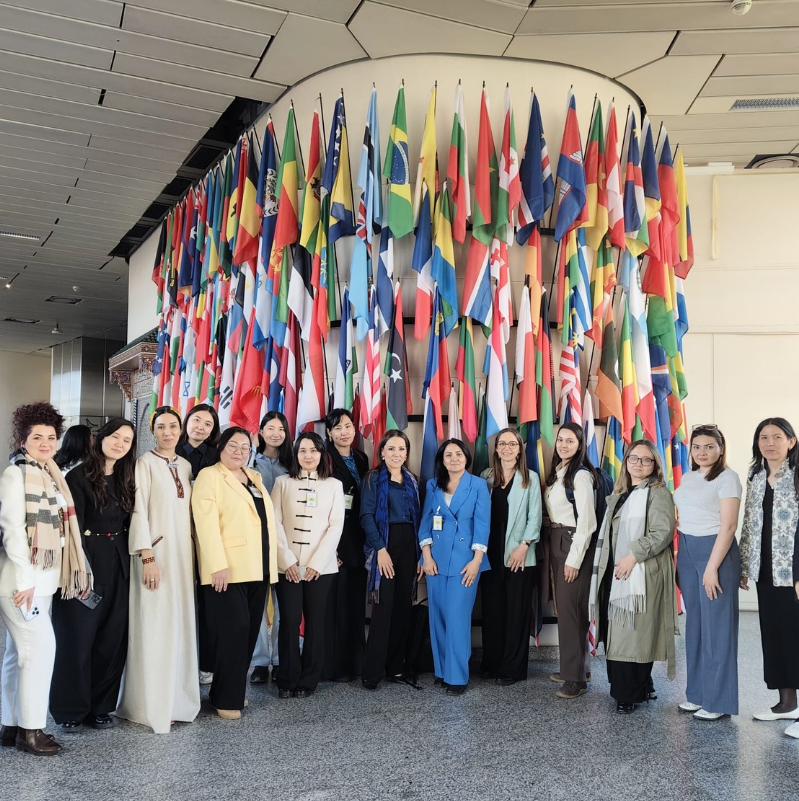
Under the theme “From commitment to action – Accelerating a gender-just energy transition,” the Gender & Energy Compact hosted a special Dialogue on 8 April 2026. Marking the 5-year anniversary of the Compact’s establishment, the occasion underscored the growing momentum behind advancing gender equality in energy and climate action.
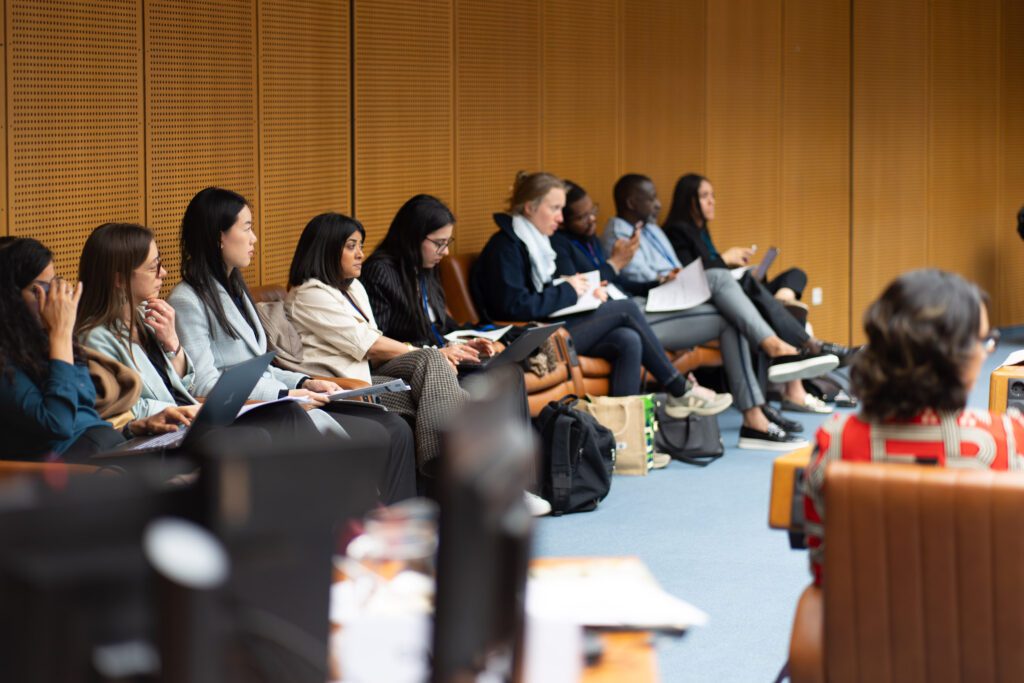
With four years remaining to fulfil the Sustainable Development Goal (SDG) targets, the Dialogue sought to gather collective commitment for a renewed Call to Action that strengthens women’s energy leadership and bolsters equitable energy systems for a post‑2030 energy framework. In the spirit of collaboration and diverse perspectives, the event featured a wide range of distinguished speakers from government, international organisations, the private sector, philanthropies, and civil society. Roughly 70 in-person participants alongside a global online audience attended the hybrid event, which was organised by the Compact’s co-convenors: Energia, GWNET, SEforAll and UNIDO.
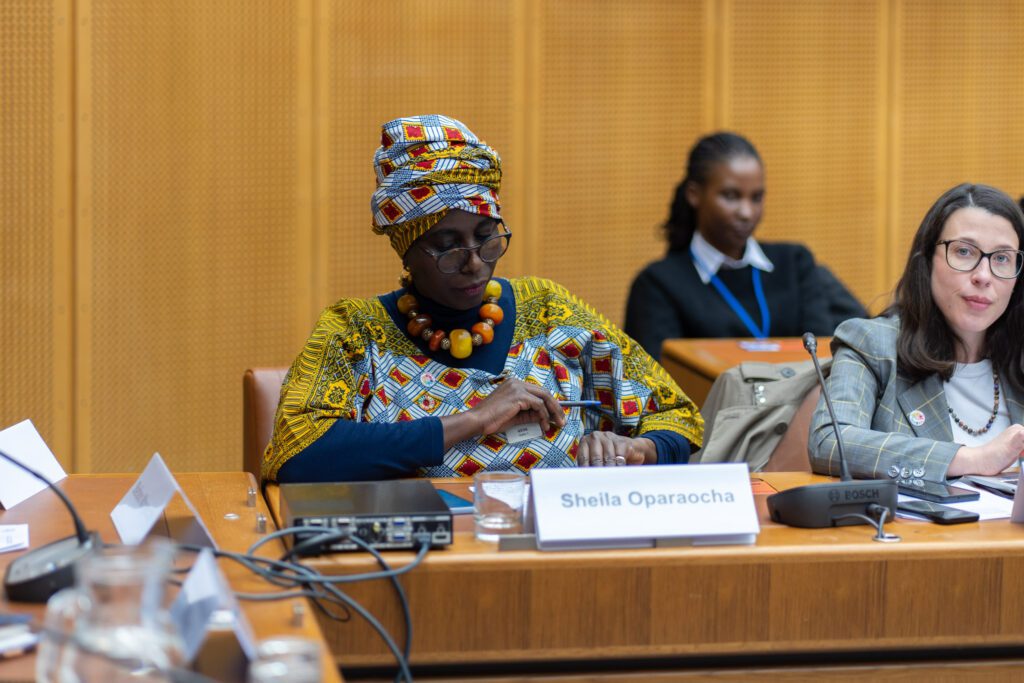
Moderated by Sheila Oparaocha, Director of ENERGIA, the Dialogue was guided by four key objectives: to reflect on progress achieved over the past five years, to identify persistent gaps and challenges, to share practical, evidence-based solutions to accelerate women’s leadership and participation, and to strengthen collective action moving forward. Discussions throughout the occasion sent a clear message: gender equality must be placed at the centre of a just and effective energy transition. “Energy systems are not gender neutral,” Sheila Oparaocha noted, stressing that decisions on infrastructure, finance, technology, and markets determine who benefits and who is left behind.
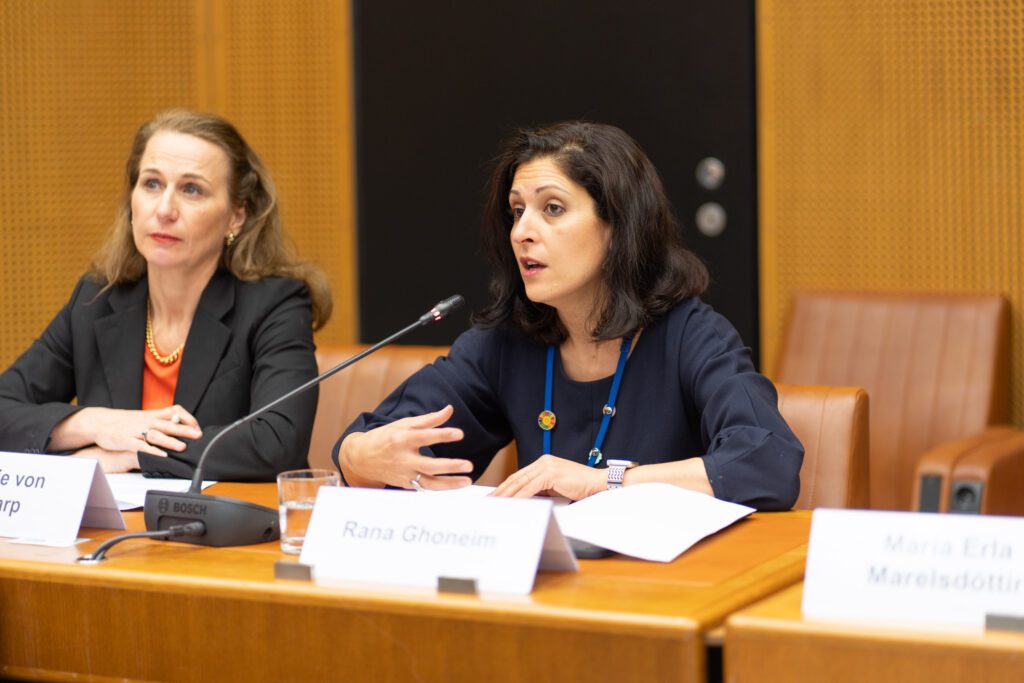
Delivering the welcome address, Rana Ghoneim, Director of the Division of Energy and Climate Action at UNIDO reaffirmed that gender equality and women’s leadership are not only social imperatives but economic ones. Despite progress, she pointed out persistent structural barriers, including the fact that less than six percent of cleantech venture funding currently reaches women-led companies. “Gender equality and women’s leadership are foundational pillars of a just and inclusive energy transition — and they are an economic imperative,” Rana Ghoneim stressed, calling for realistic targets and stronger accountability toward 2030.
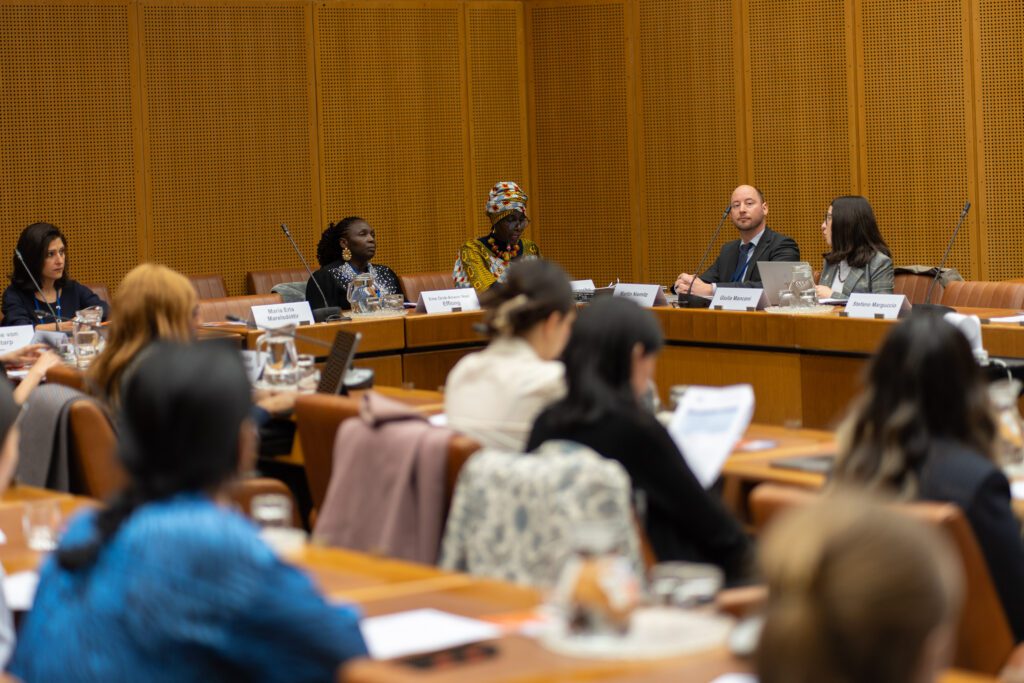
A series of keynote interventions offered concrete examples and policy insights. Her Excellency María Erla Marelsdóttir, Climate Ambassador of Iceland discussed her country’s intentional efforts to embed gender equality directly into climate and energy policymaking rather than treating it as a parallel agenda. In particular, Ambassador Marelsdóttir highlighted that “gender budgeting” is mandatory for all Icelandic ministries. According to the Ambassador, “this means that when we invest in renewable energy, electrification, district heating, or innovation, we examine who benefits, who participates and whether opportunities are shared equally. And we see a shift, we see stronger policy coherence with the ministries integrating gender into climate planning.”
Ms. Eme Orok‑Anwan Noel Effiong, Acting Director of the Rural Electrification Fund (REF) at Nigeria’s Rural Electrification Agency, emphasised that gender inclusion is embedded not only in project delivery but also in financing mechanisms. “ Gender inclusion does not happen by accident — it must be intentionally designed into financing, implementation, and leadership structures,” Eme Orok-Anwan Noel Effiong stated.
From a development cooperation perspective, Norway underlined the inseparability of gender equality and energy effectiveness. Hans Olav Ibrekk, Norwegian Ministry of Foreign Affairs, stated unequivocally: “There can be no sustainable energy transition without gender equality. This is not only a question of rights — it is a question of effectiveness.”
He further highlighted Norway’s policy requirement that at least 50 percent of bilateral development funding must pursue gender equality as a principal or significant objective, including in climate and energy portfolios.
Ms. Stefanie von Westarp, Head of the Political and Economic Affairs Unit at the Canadian Embassy in Austria, echoed the importance of moving from rhetoric to structural change. Through initiatives such as Equal by 30, Canada has committed to advancing equal pay, equal leadership, and equal opportunities across the energy sector by 2030. As Canada’s representative emphasised, progress depends on robust data, visible leadership, and workplace transformation — not voluntary goodwill alone.
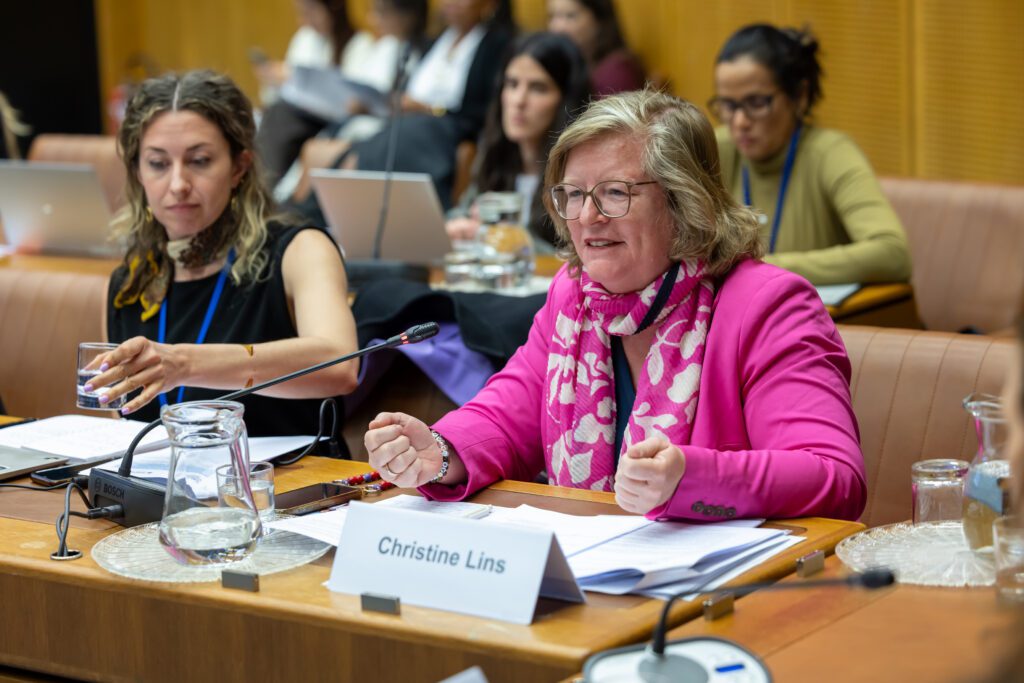
The Dialogue also featured an interactive roundtable led by Christine Lins, the Executive Director of GWNET. This session explored how to better integrate gender across the energy sphere, including within/across policy, finance, technology and workforce development. When addressing the attendees, Christine Lins said that the energy transition is “not only about technology, it’s also about people.” She underlined the importance of collaboration and diverse perspectives to achieve these goals, expressing “we want to hear from organisations, government, international organisations, the private sector and civil society, how this can be done. And after all, it’s all about working together.”
Focusing on energy security, the Ms. Giulia Manconi, Senior Energy Security Advisor of the Organization for Security and Co-operation in Europe (OSCE), put forth that inclusion is not only a justice issue but a stability imperative. “Energy security is ultimately about people,” Giulia Manconi, said, adding that “excluding half the population weakens resilience and undermines long-term sustainability.”
Katie Alesbury, Senior Strategic Initiatives Lead at Value for Women, noted that “gender and climate are treated as two completely separate lenses for assessing investments, and there’s kind of misperception often that adding gender to climate becomes too much. It’s an additional barrier or limitation for actually releasing capital flows.” Therefore, she called for recognising gender equality as a value driver rather than a compliance requirement and encouraged investors to integrate gender considerations throughout the entire investment process in order to unlock more inclusive and effective outcomes.
Adding a critical youth perspective, Hadiza Abdulmumini, Founder of the Renewable Africa Initiative and Global Focal Point for the SDG7 Youth Constituency, shared examples of youth-led initiatives in Ethiopia, Namibia and Uganda and co-ordination efforts within sustainable energy networks. On the same note, Hadiza Abdulmuumini said that “these initiatives, they remain small, not because of the lack of ideas, but because the systems around them are at the moment not yet designed to allow them to fully support skill.”
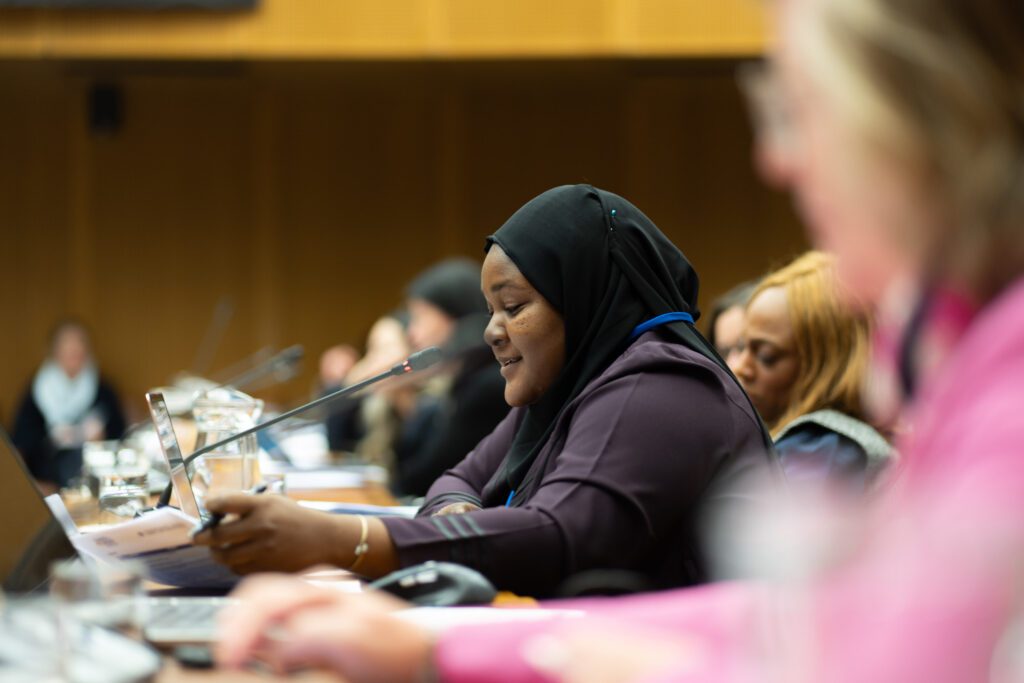
During the subsequent Interactive Dialogue, community organisations and private-sector representatives emphasized that inclusion must extend beyond access to decision-making power, leadership pipelines, and corporate culture. Participants from Central Asia, the Caribbean, the Middle East, Central America, and small island developing States (SIDS) discussed region.-specific pathways — from women-led public transport electrification in Guatemala to geothermal training, waste-to-energy leadership, and community-owned renewable systems. Across contexts, the message was consistent: women’s leadership accelerates uptake, strengthens governance, and delivers more resilient outcomes.